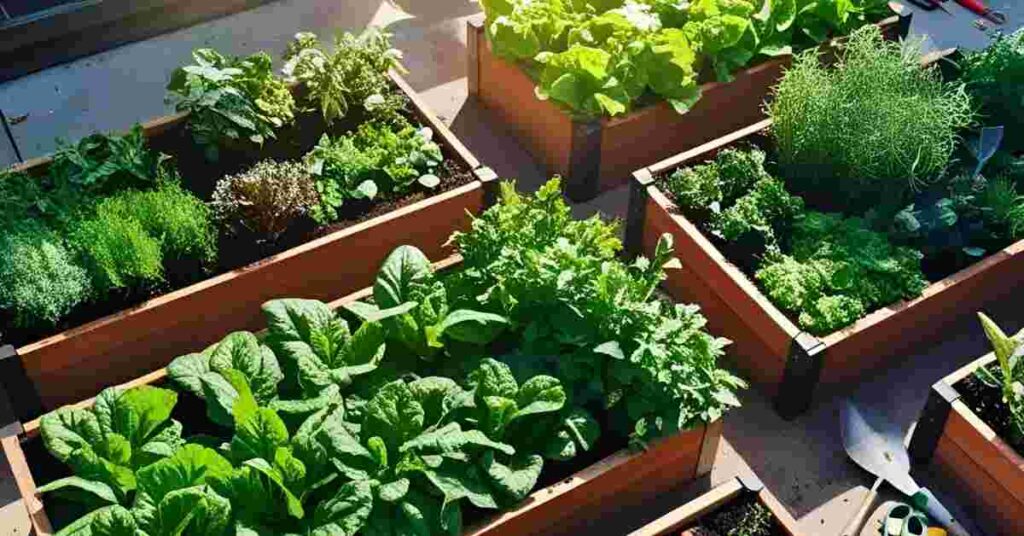
Dreaming of sinking your hands into rich soil and harvesting your own vibrant, chemical-free vegetables?
Maybe you’re seeking a fulfilling side hustle, a full-time connection to the land, or simply the deep satisfaction of growing real food.
Whatever your reason, starting an organic vegetable farming in the USA in 2025 is one of the most rewarding paths you can choose.
Forget overwhelming complexity. This beginner-friendly guide breaks down everything you need to know to get started.
We’ll cover choosing the right crops, preparing your soil naturally, navigating sales channels, understanding profit potential, and sidestepping common beginner mistakes.
Whether you have a sunny balcony or a few acres, let’s walk through the steps to turn your organic farming vision into reality.
The surge in organic interest isn’t just a fleeting trend; it’s a powerful movement rooted in genuine concerns about health, food quality, and environmental stewardship.
More Americans than ever are actively seeking out organic options. Here’s why:
The proof is in the numbers: USDA data consistently shows organic food sales climbing year after year.
People are investing in their health and supporting businesses that align with their values.
This makes organic vegetable farming not just a meaningful endeavor, but a potentially profitable one too.
The short answer? Anyone. Whether you live in a city apartment with a balcony or have access to family farmland, there’s a way to get started:
The barriers to entry have never been lower. With more online resources, community gardens, and government support, beginners have all the tools they need to grow.
Start with what you have. Even 100 square feet can grow hundreds of dollars in greens. Raised beds and containers help urban growers; rural farmers can use open soil.
Evaluate access to sunlight, water, and drainage before deciding on your layout.
Good soil is your foundation. Ditch the chemicals and improve your soil with:
Healthy soil leads to stronger plants, better yields, and fewer pest issues.
Fast, easy-to-grow veggies that thrive in most regions:
Stick to crops that grow quickly, have high turnover, and are popular in your area. This helps you learn the rhythm of the farm and test your local market.
Depending on your state, you may need to:
Some states even offer beginning farmer support programs or funding for sustainable agriculture.
Good news for small starters: If your annual gross sales from organic products are $5,000 or less, you are exempt from formal USDA certification.
However, you must still follow all USDA organic production standards.
You can market your products as “organically grown,” but you cannot use the official USDA Organic seal.
As your farm grows, pursuing full USDA certification can open doors to premium markets (health food stores, co-ops, restaurants) and build significant customer trust, often justifying higher prices. ([Optional: Link to USDA National Organic Program site])
Starting lean is key. Here’s a rough idea (costs vary widely by location and scale):
| Item | Estimated Cost Range | Notes |
| Seeds & Young Plants | $200 – $500 | Start with fewer varieties initially. |
| Compost & Soil Amendments | $300 – $700 | Bulk purchase can save money. |
| Basic Tools & Irrigation | $300 – $800 | Hand tools, hoses, maybe drip tape. |
| Raised Beds/Containers | $100 – $500 | If not planting directly in the ground. |
| Marketing & Signage | $100 – $200 | Basic signs, business cards, online setup |
| Estimated Total | $1,000 – $3,000 | Focus on essentials first. |
Remember: Many successful farmers reinvest their initial earnings back into better tools and infrastructure.
Can you make money? Yes! Profitability depends on scale, efficiency, market, and crop choice, but here are some general benchmarks:
Boost Your Income: Maximize profits with season extension (hoop houses, low tunnels), high-value crops, and value-added products (salad mixes, herb bundles, pickled items).
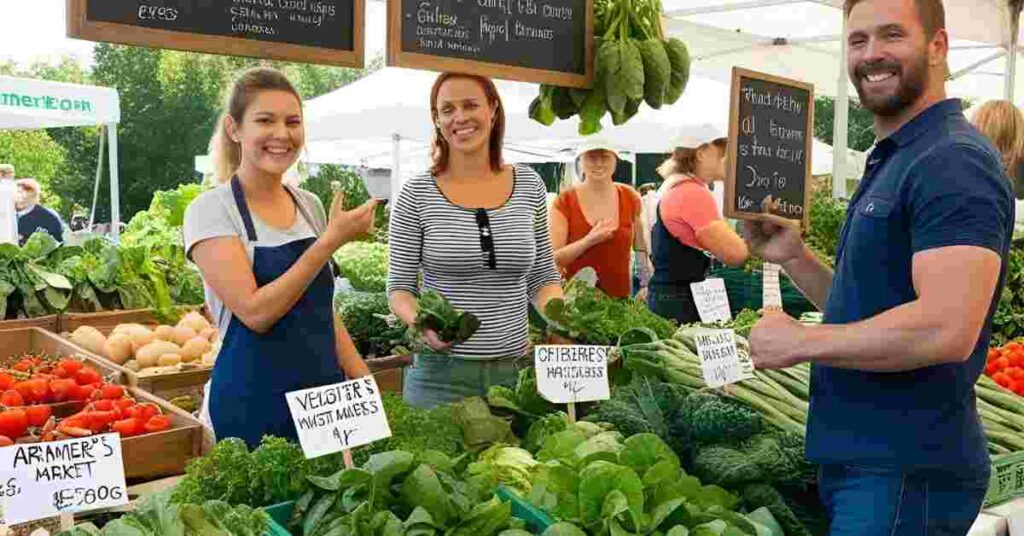
Growing is only half the battle; selling is crucial! Explore these channels:
Key Selling Tip: Don't just sell vegetables; sell trust and connection. Share your organic practices, your passion, and the story behind your farm.
Use natural methods to deter pests:
Organic soil requires attention. Boost fertility by:
Many beginners underestimate the time needed. Stay on top of it by:
Differentiate your produce with:
The best vegetables for beginners in organic farming include lettuce, spinach, radishes, carrots, kale, basil, and cherry tomatoes. These crops are easy to grow, mature quickly, and adapt well to various climates.
You can improve soil health by regularly adding compost, planting cover crops like clover or vetch, rotating your crops, avoiding synthetic fertilizers, and using soil tests to guide organic amendments.
Effective natural pest control methods include companion planting (like marigolds with tomatoes), neem oil, garlic or chili sprays, beneficial insects such as ladybugs, and using floating row covers to protect crops from bugs.
o certify your organic vegetables, apply through a USDA-accredited certifier, follow all organic production rules, keep detailed records, and pass an annual inspection. If your sales are under $5,000 annually, you may be exempt from certification but must still follow organic standards.
Compost enhances soil structure, adds essential nutrients, improves water retention, encourages beneficial microbes, and reduces reliance on chemical fertilizers, making it a cornerstone of successful organic farming.
Free courses and YouTube tutorials are great. Also, check the USDA’s New Farmers site.
Starting an organic vegetable farming in 2025 isn’t just good for the planet. It’s good for your pocket, your health, and your community. Whether growing basil in buckets or planning to lease your first acre, the time to start is now.