Are you planning to start your agribusiness in 2025 but unsure which idea is right for you?
You’re not alone. Many aspiring entrepreneurs are drawn to agribusiness for the independence it offers, a deeper connection to nature, and the satisfaction of contributing to a more sustainable food system.
With rising global demand, a growing focus on healthy living, and improved access to farming technologies, agribusiness presents one of the most exciting and profitable career paths today.
Whether you live in a city or the countryside, own land or not, you can start small and scale wisely.
In this post, we’ll explore top 10 profitable agribusiness ideas. For each one, we’ll cover startup costs, required skills, income potential, common challenges, sustainability aspects, and expert tips to help you succeed.
Agriculture is no longer limited to traditional farming. Today, it blends innovation, technology, and sustainability. According to the USDA and FAO, global food demand is expected to increase by 60% by 2050.
In 2025 alone, agribusiness is seeing increased investment in organic farming, smart agriculture, and livestock development.
Now is the time to get involved in a market hungry for innovation, eco-friendly practices, and locally sourced food.
Here’s why agribusiness in 2025 is more relevant than ever:
Hyper-Local Focus: Consumers increasingly seek local produce for freshness, trust, and sustainability. CSAs and farmers’ markets are booming.
Sustainability Imperative: Climate change, soil depletion, and water scarcity have made sustainable farming a global priority.
Technology Integration: Beginners now have access to tools like mobile apps, soil moisture sensors, and GPS mapping.
Supply Chain Resilience: Global disruptions have exposed the fragility of long supply chains. Local systems are more reliable.
Health & Wellness Connection: Demand is rising for fresh produce, organic foods, natural remedies, and transparent food sourcing.
With this backdrop, now is the perfect time to dive into agribusiness.
Top 10 Profitable Agribusiness Ideas
Are you ready to explore beginner-friendly agribusiness opportunities that fit your budget and lifestyle? Here are 10 profitable models with essential insights to help you choose the right one:
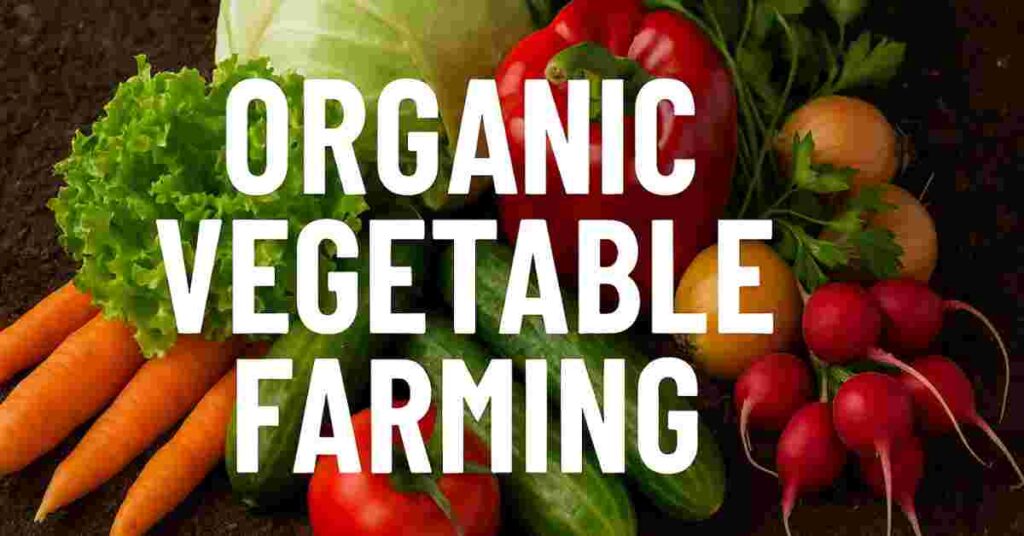
1. Organic Vegetable Farming
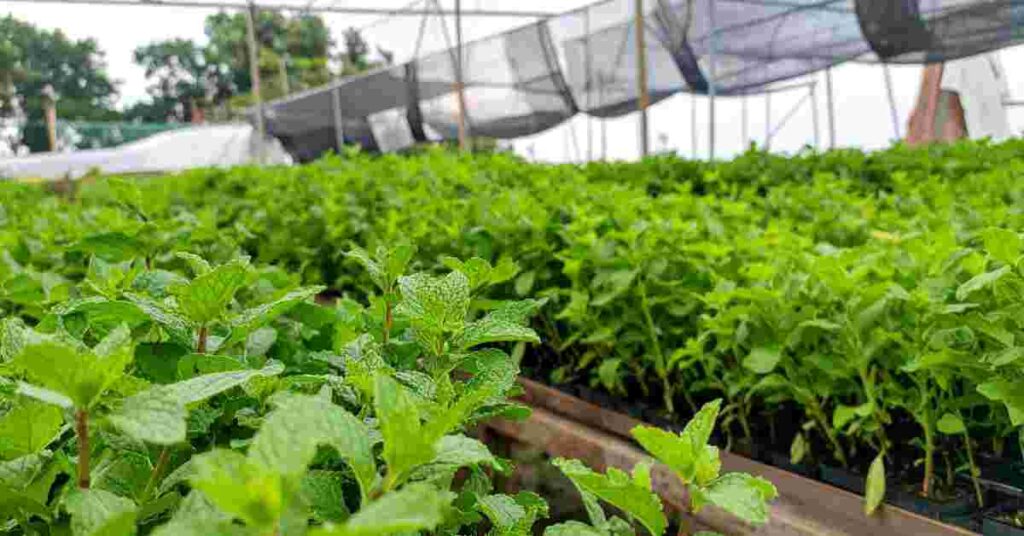
Organic vegetable farming involves cultivating crops like lettuce, spinach, and tomatoes without chemical fertilizers or pesticides. The demand for organic food is booming, especially in urban and health-conscious communities. You can start small with a backyard garden or lease a small plot of land.
Pro Tip: Add consultancy or diagnostics for more revenue.
Beginner Friendliness: 4/5
Sustainability Angle: Moderate
Agribusiness Ideas Comparison Table (Summary)
Agribusiness Idea
Startup Cost
Profit Potential
Beginner Friendly
Sustainability
Organic Vegetable Farming
$1,000–$3,000
Up to $30,000/acre
4.5/5
High
Poultry Farming
$1,500–$5,000
$5,000+ per cycle
4/5
Moderate
Dairy Production & Processing
$5,000–$15,000
$15,000+ annually
3.5/5
Moderate
Mushroom Farming
$300–$2,000
$1,000+ per cycle
4.5/5
High
Beekeeping & Honey Production
$500–$2,000
$10,000+/year
4/5
Very High
Agri Blogging or Consultancy
<$500
$1,000–$10,000/month
5/5
High
Herbal or Medicinal Plant Farming
$500–$3,000
$20,000+/acre
4/5
High
Vertical Farming or Hydroponics
$2,000–$10,000
$50–$100/sq. ft./year
3.5/5
High
Goat or Sheep Farming
$1,000–$5,000
$3,000+/season
4/5
Moderate
Agri-Input Retail Store
$3,000–$10,000
$1,000–$5,000/month
4/5
Moderate
Tips to Get Started
Research Your Market: Visit local farmers’ markets, talk to chefs, use tools like Google Trends, and study local supply gaps.
Make a Simple Business Plan: Outline your product, customer base, estimated costs, expected revenue, and marketing strategy.
Register Legally: Ensure your business complies with local regulations and obtains necessary permits or licenses.
Start Small: Test your concept with a pilot project before investing heavily.
Network and Learn: Join agricultural groups, attend workshops, and seek mentorship.
Understand Finances: Track all expenses and sales. Separate business and personal accounts. Know your break-even point.
Focus on Customer Relationships: Provide consistent quality and communicate transparently.
Promote Your Brand: Use social media, local partnerships, and a basic website to build awareness.
Common Mistakes to Avoid
Ignoring market demand: Growing products or offering services without local demand can result in poor sales.
Not registering your business properly: This may lead to legal issues or missed funding opportunities.
Underestimating time and labor: Agribusiness requires more effort than many beginners expect.
Poor pricing or no record-keeping: Always track income and expenses. Mismanagement can lead to loss.
Lack of marketing: Don’t rely solely on word-of-mouth. Be proactive online and in your community.
Trying too many things at once: Focus on one or two offerings to build consistency.
Ignoring customer feedback: Feedback helps you refine your product or service.
Not investing in learning: Stay informed with training, research, and local agri-events.
Frequently Asked Questions
Q. What are the initial investment requirements for starting a mushroom farming business?
Starting a small-scale mushroom farm typically requires an investment of $300 to $2,000. Costs depend on the type of mushrooms (like oyster or button), the scale of production, and whether you’re growing indoors or outdoors. Major expenses include: Spawn (mushroom seeds) Substrate (straw, sawdust, or compost) Growing trays or shelves Humidifier and lighting Basic sterilization equipment Mushroom farming is ideal for beginners due to its low space requirement, quick harvest cycle, and high profit margin when sold locally.
Q. How can I market my organic farming products effectively?
To market organic products effectively: Tell your story – Consumers love to know where their food comes from. Leverage local markets – Farmers’ markets, CSAs (Community Supported Agriculture), and health food stores value local, organic produce. Build a strong brand – Use labels like “organically grown,” include certification if applicable, and emphasize freshness and sustainability. Use digital tools – Promote your produce on Instagram, Facebook Marketplace, and Google Business Profile. Partner locally – Work with chefs, cafes, or eco-conscious businesses who value organic suppliers. Transparency and authenticity go a long way in organic product marketing.
Q. What are the key resources needed for starting a hydroponic farming business?
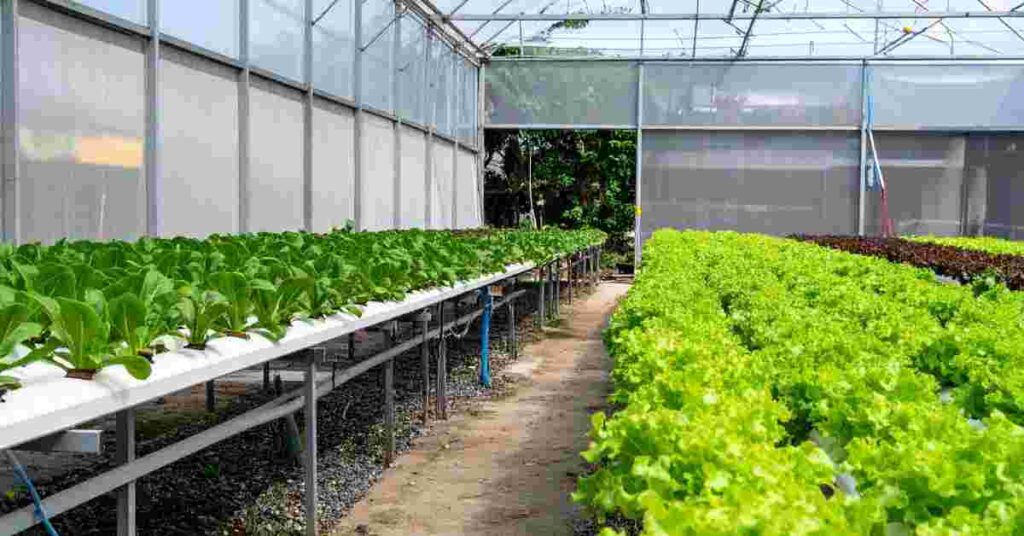
Starting a hydroponic system requires: Grow space (indoor or greenhouse) Hydroponic setup (NFT, DWC, drip system, etc.) Grow trays or towers Nutrient solution & pH meter Lighting system (LED grow lights for indoor farming) Water pump, timer, and reservoir Climate control (fans, heaters, or coolers) Costs can range from $1,000 to $10,000 depending on scale. You’ll also need knowledge of plant nutrition, water chemistry, and system maintenance, all of which are easy to learn through free online courses or local agri-training centers.
Q. How profitable is beekeeping compared to other agribusiness ideas?
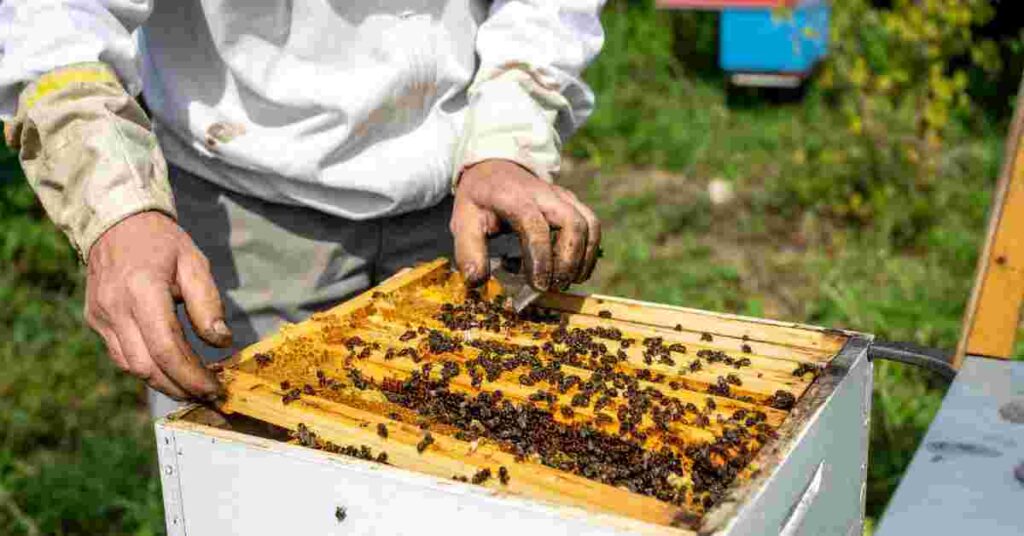
Beekeeping can be highly profitable, especially when combined with value-added products like beeswax candles, propolis, or royal jelly. From 50 hives, you can earn $10,000–$20,000 per year, depending on: Hive health and management Market access and product quality Diversification (honey, beeswax, pollination services) Compared to other agribusinesses, it has lower land needs, minimal daily labor, and strong demand in health-conscious markets. However, success requires knowledge of hive care and seasonal maintenance.
Q. What are the best practices for managing a goat farming business?
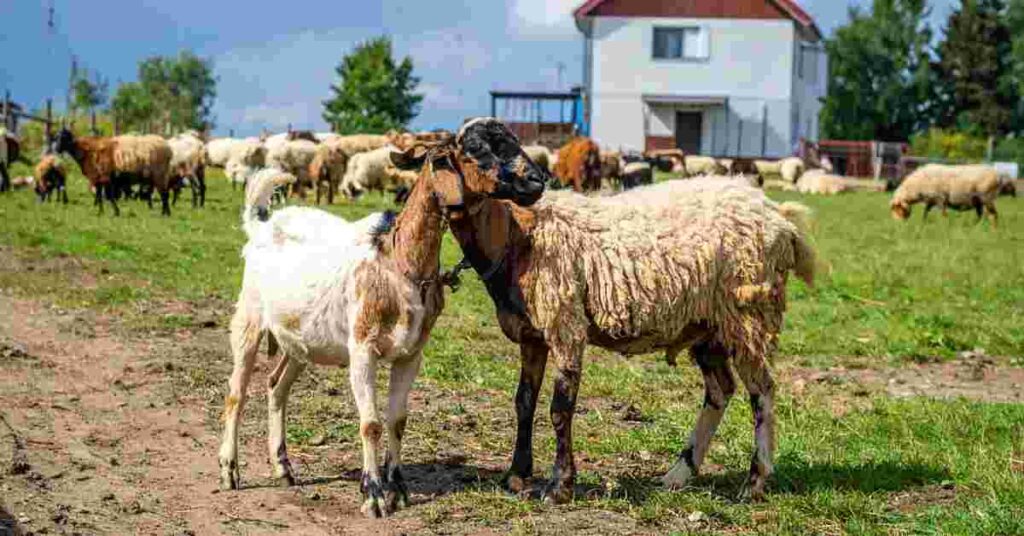
To run a profitable and healthy goat farming business, follow these best practices: Choose the right breed (meat, milk, or dual-purpose) Provide clean shelter with proper ventilation and fencing Ensure balanced nutrition – grazing plus supplements Vaccinate regularly and consult a vet for herd health Rotate pastures to avoid overgrazing and parasite buildup Track records for breeding, health, and milk/meat production Sell smart – Explore local ethnic markets, organic meat buyers, and value-added products like goat cheese or soap Goat farming is flexible and scalable, making it ideal for both rural and peri-urban agripreneurs.
What is FAQ?
Lorem ipsum dolor sit amet, consectetur adipiscing elit, sed do eiusmod tempor incididunt ut labore et dolore magna aliqua. Ut enim ad minim veniam, quis nostrud exercitation ullamco laboris nisi ut aliquip ex ea commodo consequat.
What is FAQ?
Lorem ipsum dolor sit amet, consectetur adipiscing elit, sed do eiusmod tempor incididunt ut labore et dolore magna aliqua. Ut enim ad minim veniam, quis nostrud exercitation ullamco laboris nisi ut aliquip ex ea commodo consequat.
Final Thought
Agribusiness in 2025 is not just for large-scale producers. With the right idea and strategy, even beginners can launch a rewarding, sustainable venture. Start small, learn continuously, and embrace innovation. Use this list as a springboard for launching your profitable agribusiness journey.